प्रारंभिक जीवन
जमशेतजी टाटा का जन्म 3rd मार्च, 1839 को नवसारी, गुजरात में हुआ था। उनके पिता का नाम नुस्सरवानजी टाटा था और मां का नाम झीनाबाई था। जमशेतजी का परिवार बहुत ही सामर्थ्यपूर्ण और सामर्थ्यपूर्ण था, और वे जल्द ही इसके साथ अपने परिवार की साझेदारी में शामिल हो गए।
जमशेतजी का शिक्षा जीवन कुछ खास नहीं था, लेकिन उन्होंने जीवन के साथ ही बहुत कुछ सीख लिया। उन्होंने व्यापार के क्षेत्र में काम करना शुरू किया और अपनी मात्री भाषा गुजराती के साथ-साथ अंग्रेजी भाषा को भी सीख लिया।
उद्योग और व्यापार का आरंभ
जमशेतजी टाटा ने अपने व्यापार के कार्यक्षेत्र में तेजी से कदम बढ़ाया। वे कई छोटे-छोटे व्यापार शुरू करने में सफल रहे, जिनमें सिल्क वस्त्र व्यापार, ओल व्यापार और तेल व्यापार शामिल थे।
जमशेतजी का व्यवसायिक मनोबल और उनकी निष्ठा ने उन्हें व्यापार के क्षेत्र में अग्रणी बना दिया। वे अपने व्यापार में सफलता पाने के लिए कठिनाइयों का सामना किये और हर चुनौती को एक अवसर में बदल दिया।
जनरल स्टीमशिप कंपनी का नींव रखना
जमशेतजी के व्यापार के क्षेत्र में सफलता मिलने के बाद, उन्होंने नए उद्योगों की ओर ध्यान दिया। वे भारत में जनरल स्टीमशिप कंपनी की स्थापना करने का फैसला किया। इस कंपनी का मुख्य उद्देश्य भारत में जलयानों की सेवा प्रदान करना था।
1877 में, जनरल स्टीमशिप कंपनी की स्थापना की गई और जमशेतजी ने एक मोटर वाहन, 'बेट्सी,' को मुंबई के सड़कों पर पहली बार चलाया। इससे पहले, लोग बुद्धिमत्ता के साथ इस्तेमाल किए जाने वाले घोड़ा गाड़ियों की आदतें थे, लेकिन जमशेतजी के द्वारा लाए गए मोटर वाहन के साथ यह बदल गया।
जनरल स्टीमशिप कंपनी का सफल आरंभ जमशेतजी के उद्देश्यों को प्राप्त करने में मदद की और उन्होंने व्यापार के क्षेत्र में ए
क नया मील का पत्थर रख दिया।
ताता का विस्तार
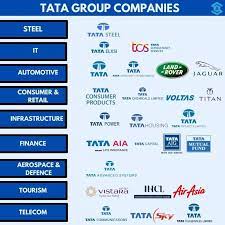
जनरल स्टीमशिप कंपनी के सफलता के बाद, जमशेतजी ने अपने व्यापार को विस्तारित किया और नए क्षेत्रों में पैर रखा। उन्होंने विभिन्न क्षेत्रों में नई कंपनियों की स्थापना की, जैसे कि ताता स्टील, ताता मोटर्स, ताता पॉवर, और ताता टेलीकॉम्यूनिकेशन्स, जो भारत में इंडस्ट्रीज के कई क्षेत्रों में नेतृत्व करती हैं।
जमशेतजी का दृढ निश्चय और व्यवसाय में उनकी कुशलता ने उन्हें नई ऊंचाइयों तक पहुँचाया। उन्होंने भारतीय उद्योग को विश्व स्तर पर पहचाया और उसे ग्लोबल उद्योगों के साथ मुकाबला करने का मौका दिलाया।
सामाजिक सेवाएँ और समर्पण
जमशेतजी टाटा के व्यवसाय की सफलता के साथ-साथ, उन्होंने समाज के लिए भी बहुत कुछ किया। वे शिक्षा, स्वास्थ्य और सामाजिक क्षेत्र में कई महत्वपूर्ण पहलूओं का समर्थन करते थे।
उन्होंने जनरल स्टीमशिप कंपनी के कामकाज में विद्यालयों की नींव रखी और छात्रों के लिए शिक्षा के अवसर प्रदान किए। उन्होंने ताता इंस्टीट्यूट ऑफ फंडामेंटल रिसर्च की स्थापना की, जो विज्ञान और अनुसंधान में महत्वपूर्ण भूमिका निभाता है।
स्वास्थ्य क्षेत्र में, जमशेतजी ने ताता मेमोरियल हॉस्पिटल की स्थापना की, जो मुंबई के लोगों के लिए महत्वपूर्ण स्वास्थ्य सेवाएँ प्रदान करता है।
उन्होंने भी अनेक सामाजिक कार्यक्रमों का समर्थन किया और गरीबों, विद्यार्थियों, और वरिष्ठ नागरिकों की मदद की।
समाज में महत्वपूर्ण योगदान
जमशेतजी टाटा ने समाज के लिए अपने योगदान के साथ अपनी आवश्यकताओं के लिए भी खुद को समर्पित किया। वे एक आदर्श नागरिक थे और उन्होंने अपने काम के माध्यम से समाज को सुधारने का प्रयास किया।
जमशेतजी के निरंतर प्रयासों ने भारतीय समाज को एक नई दिशा में बदल दिया और उन्होंने विकास के कई क्षेत्रों में नेतृत्व किया।
उनकी मृत्यु और उनकी विरासत
जमशेतजी टाटा की मृत्यु 19 मई, 1904 को हुई, लेकिन उनका आदर्श और काम जीवन के बाद भी जीवित है। उन्होंने एक महान विरासत छोड़ी, जिसमें उनकी कंपनियों के नेतृत्व में उनके परिवार के सदस्यों ने आगे बढ़ते हुए देश और विश्व के विकास के लिए कई महत्वपूर्ण कदम उठाए।
ताता परिवार ने जमशेतजी के संदेश को आगे बढ़ाया और उनकी आदर्शों का पालन करके व्यापार के क्षेत्र में और भी महत्वपूर्ण योगदान किया। आज भी, ताता परिवार भारतीय व्यापार और समाज के विकास में महत्वपूर्ण भूमिका निभा रहा है और जमशेतजी टाटा के आदर्शों का पालन करता है।
जमशेतजी टाटा का जीवन और कार्यक्षेत्र भारतीय व्यापार और समाज के लिए एक महत्वपूर्ण योगदान है। उन्होंने अपनी मेहनत, समर्पण, और विशेषज्ञता के माध्यम से भारत को एक उद्योग और विकास का केंद्र बनाया और उनकी विरासत आज भी हमारे लिए प्रेरणा स्रोत है।
Jamsetji Nusserwanji Tata: A Visionary's Journey
Introduction:
Jamsetji Nusserwanji Tata, often referred to as the "Father of Indian Industry," was a visionary entrepreneur and philanthropist who played a pivotal role in shaping India's industrial and economic landscape. His life's work and legacy continue to inspire generations. In this 10,000-word narrative, we will delve into the remarkable story of Jamsetji Tata, tracing his life, accomplishments, and the enduring impact of his vision on India and the world.
Early Life and Background
Jamsetji Tata was born on March 3, 1839, in Navsari, a small town in Gujarat, India. He came from a Parsi family, an ethnic and religious community known for their contributions to trade and industry. His father, Nusserwanji Tata, was a priest, and his mother, Jeevanbai, came from a family of well-respected priests.
From an early age, Jamsetji exhibited a keen interest in learning and a natural aptitude for business. He was deeply influenced by his father's teachings, which emphasized the importance of integrity, hard work, and giving back to society.
The Formative Years
Jamsetji's early education took place in Navsari, where he attended the local school. He demonstrated exceptional intelligence and a remarkable ability to grasp complex subjects quickly. His father recognized his potential and encouraged him to explore business opportunities.
At the age of 14, Jamsetji moved to Bombay (now Mumbai) to further his education and embark on his entrepreneurial journey. He enrolled in Elphinstone College, where he honed his academic and intellectual capabilities.
The Birth of a Vision
As Jamsetji Tata continued his education, he was exposed to the rapidly changing economic landscape of 19th-century India. The British Empire was in its ascendancy, and India was transitioning from a primarily agrarian society to a more industrialized one. This period of transformation fueled Jamsetji's ambition and entrepreneurial spirit.
In 1868, at the age of 29, Jamsetji founded a trading company called Tata & Sons, with the support of his family. The company initially dealt in textiles, but he soon diversified into various industries, including steel, energy, and infrastructure.
A Steel Revolution
One of Jamsetji's most significant contributions to India's industrial development was his vision for the steel industry. He understood the pivotal role that steel played in modernization and infrastructure development. In the late 19th century, India was heavily dependent on imported steel, which limited its progress.
Jamsetji Tata's determination to change this narrative led him to undertake a journey to Europe and the United States to study the steel industry. He spent several years learning about the latest steelmaking technologies and best practices.
The Birth of Tata Iron and Steel Company
In 1907, Jamsetji Tata laid the foundation stone for what would become the Tata Iron and Steel Company (TISCO) in the town of Sakchi (now Jamshedpur), Bihar (now in Jharkhand). This was a monumental moment in India's industrial history, marking the birth of its first integrated iron and steel plant.
TISCO aimed to not only meet India's steel demands but also to export high-quality steel to the world. Jamsetji's unwavering commitment to quality and innovation set TISCO on a path to success.
Overcoming Challenges
Jamsetji's vision for TISCO was bold, but it faced numerous challenges. The lack of infrastructure, skilled labor, and access to resources presented formidable obstacles. However, Jamsetji was undeterred. He invested in building railways, ensuring a steady supply of iron ore and coal to the plant. He also focused on developing a skilled workforce by establishing training programs and schools.
Legacy of Social Responsibility
Jamsetji Tata's vision extended beyond business profits. He believed in the principle of "giving back" to society. Under his leadership, TISCO implemented several progressive employee welfare measures, including healthcare, education, and affordable housing. This ethos of corporate social responsibility became an integral part of the Tata Group's DNA and continues to be a guiding principle for the conglomerate.
The Tata Family Legacy
Jamsetji Tata was not alone in his pursuit of greatness. His family played an instrumental role in supporting and realizing his vision. His sons, Dorabji and Ratanji, played crucial roles in managing and expanding the Tata Group's businesses. They carried forward their father's legacy of ethical business practices and philanthropy.
Jamsetji's Other Ventures
While TISCO was a crowning achievement, it was not Jamsetji's sole endeavor. He ventured into various other industries, including textiles, hydroelectric power, and hospitality. His ventures were characterized by a commitment to quality and a vision for the long-term development of India.
Jamsetji Tata's Global Impact
Jamsetji's vision extended beyond the borders of India. He saw the potential for Indian industry to compete on the global stage. His legacy lives on through the Tata Group's international presence, which spans diverse sectors such as automotive, information technology, and steel production.
Philanthropy and Education
Jamsetji Tata was a firm believer in the transformative power of education. In 1900, he founded the Tata Institute of Science in Bangalore (now Bengaluru), which later evolved into the Indian Institute of Science (IISc). This institution remains a beacon of scientific research and innovation in India.
Conclusion and Legacy
Jamsetji Tata's life and work exemplify the power of vision, determination, and ethical leadership. His contributions to India's industrialization, his commitment to social welfare, and his dedication to education have left an indelible mark on the nation and the world.
His legacy lives on through the Tata Group, one of India's largest and most respected conglomerates, and through the institutions and initiatives he founded. The story of Jamsetji Nusserwanji Tata serves as an enduring source of inspiration for aspiring entrepreneurs, philanthropists, and leaders worldwide, reminding us all of the potential to create positive change through vision and action.
Epilogue:
Jamsetji Tata's journey from a small town in Gujarat to the forefront of India's industrial revolution is a testament to the power of vision, determination, and unwavering commitment to one's ideals. His life's work continues to inspire and guide generations of entrepreneurs, philanthropists, and leaders, reminding us that with a clear vision, ethical principles, and dedication to the betterment of society, we can make a lasting impact on the world.
Jamsetji Nusserwanji Tata's legacy lives on not only through the numerous industries and institutions he founded but also through the countless lives he touched and improved through his philanthropic endeavors. His story is a shining example of what can be achieved when one person's vision is fueled by a deep sense of responsibility to society and the drive to make a positive difference in the world.