RESULT OF INDIA
WWW.RESULTOFINDIA.COM

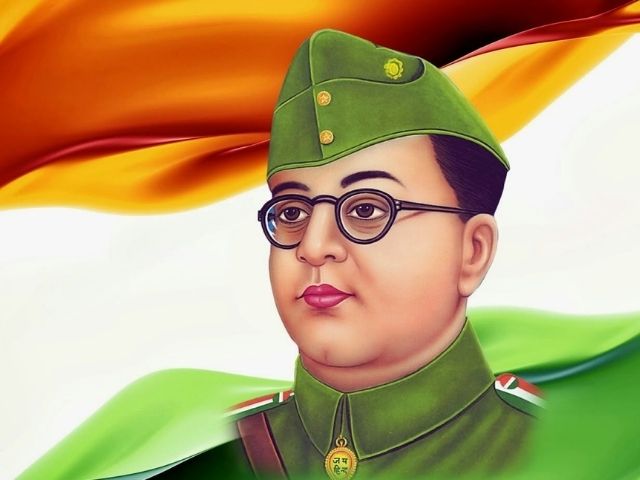
SUBHAS CHANDRA BOSE
FOUNDER / CEO OF: 'Azad Hind Fauj
DATE OF BIRTH: 23 JANUARY 1897
FEATURES : Subhas Chandra Bose (also called Netaji) is known for his role in India's independence movement.
SHORT DETAIL: Subhas Chandra Bose ( 23 January 1897 – 18 August 1945) was an Indian nationalist whose defiance of British authority in India made him a hero among many Indians, but his wartime alliances with Nazi Germany and Imperial Japan left a legacy vexed by authoritarianism, anti-Semitism, and military failure


READ STORY OF SUBHAS CHANDRA IN हिंदी     or ENGLISH


सुभाष चंद्र बोस का जीवनचरित्र
सुभाष चंद्र बोस, भारतीय स्वतंत्रता संग्राम के महान योद्धा और विचारकों में से एक थे, जिन्होंने अपने दृढ़ संकल्प और समर्पण के साथ भारतीय स्वतंत्रता संग्राम को नई दिशा दी और आज़ादी की लड़ाई को एक नई ऊँचाइयों तक पहुँचाया। उनका जन्म 23 जनवरी 1897 को ओडिशा के कटक शहर में हुआ था। उनके पिता का नाम जानकीनाथ बोस था, जो एक सरकारी कर्मचारी थे, और मां का नाम प्रभावती देवी था। सुभाष चंद्र बोस का जीवन एक उत्कृष्ट स्वतंत्रता संग्रामी की यात्रा का प्रतीक है, जिन्होंने अपने देश के लिए अपने जीवन को समर्पित किया।

सुभाष चंद्र बोस की शिक्षा:
सुभाष चंद्र बोस का बचपन बहुत ही साधारण था, लेकिन उनमें स्वतंत्रता संग्राम के प्रति बड़ा उत्साह था। उन्होंने अपनी प्रारंभिक शिक्षा कटक के स्कूलों से प्राप्त की और फिर कैलकटा के प्रेसिडेंसी कॉलेज से स्नातक की डिग्री प्राप्त की। उनका आग्रह और विचारशीलता उन्हें एक अद्वितीय छात्र बनाते थे, और उन्होंने अपने अध्ययन के दौरान ही राष्ट्रीय उद्घाटन के प्रति अपना संवाद जागरूकता किया।

सुभाष चंद्र बोस ने अपनी पोस्ट-ग्रेजुएशन शिक्षा जापान के तोक्यो विश्वविद्यालय से प्राप्त की, जहाँ उन्होंने विशेषज्ञता प्राप्त की और राजनीतिक विचारों में गहरा अध्ययन किया। वहाँ उन्होंने जापानी समाज और राजनीति की समझ में मदद करने वाले कई लोगों से मिलकर अपनी ज्ञान को और भी सुधारा। इसके बाद, उन्होंने इंग्लैंड जाकर कैम्ब्रिज विश्वविद्यालय से फिलॉसफी की डिग्री प्राप्त की और फिर बार-बार भारत वापस आए और स्वतंत्रता संग्राम में भाग लिया।

स्वतंत्रता संग्राम में भागीदारी:
सुभाष चंद्र बोस का स्वतंत्रता संग्राम में भाग लेना उनके जीवन का सबसे महत्वपूर्ण और उत्कृष्ट अध्याय था। उन्होंने भारतीय स्वतंत्रता संग्राम को एक नई दिशा दी और अपने प्रेरणास्त्रोत के र ूप में लोगों के दिलों में स्थान बनाया। सुभाष चंद्र बोस का स्वतंत्रता संग्राम में योगदान 1921 में जब महात्मा गांधी ने नॉनकॉऑपरेशन आंदोलन का आलंब लिया, तब सुभाष चंद्र बोस भी इस आंदोलन में भाग लिया। उन्होंने गांधीजी के साथ काम किया और अपने आंदोलनिक कौशल का प्रदर्शन किया। इसके बाद, उन्होंने कॉलेज में शिक्षा देने की जगह, अपने राष्ट्रीय और सामाजिक कार्यों में समर्पित कर दिया।

सुभाष चंद्र बोस का बृहत स्वतंत्रता संग्राम 1940 में जब द्वितीय विश्व युद्ध का समय आया, तो सुभाष चंद्र बोस ने भारतीय स्वतंत्रता संग्राम को एक नई दिशा में ले जाने के लिए एक और दिशा चुनी। उन्होंने अपनी स्वतंत्रता संग्रामी गतिविधियों को संगठित और स्वायत्त रूप में संचालित किया और भारतीय राष्ट्रीय सेना की स्थापना की। उन्होंने स्वतंत्रता संग्राम के लिए सशक्त और समर्पित सैनिकों का गठन किया और उन्हें दक्षिण-पूर्व एशिया के विभिन्न देशों में भारतीय स्वतंत्रता संग्राम की ओर बढ़ाया।

नेतृत्व और विचारधारा:
सुभाष चंद्र बोस का नेतृत्व और विचारधारा उन्हें विशेष रूप से महत्वपूर्ण बनाते हैं। उन्होंने अपने नेतृत्व के दौरान एक स्वतंत्र और समर्पित भारतीय सेना का निर्माण किया और उन्होंने भारतीय स्वतंत्रता संग्राम को एक और ऊँचाइयों तक पहुँचाया। उनके विचारधारा और दृढ़ संकल्प ने उन्हें दुनिया के सामने एक महान विचारक और योद्धा के रूप में प्रस्तुत किया।

सुभाष चंद्र बोस का नेतृत्व उनके संगठन क्षमता, निर्णयकता, और दृढ़ संकल्प की ओजस्वी छाया को प्रकट करता है। उन्होंने अपने सदस्यों को स्वतंत्रता संग्राम के लिए पूरी तरह से समर्पित करने के लिए प्रोत्साहित किया और उन्हें देश के लिए आत्मसमर्पण और बलिदान करने की प्रेरणा दी। उनकी विचारधारा भारतीय स्वतंत्रता संग्राम के लिए एक नई रणनीति को प्रोत्साहित करती थी, जिसमें विदेश ी शासन के खिलाफ सशक्त और संघटित स्वतंत्रता संग्राम को प्राथमिकता दी जाती थी। वे ब्रिटिश शासन के खिलाफ विभिन्न तरीकों से संघटित किए गए स्वतंत्रता संग्रामी गैर-सहमति और गैर-सहमति समूहों का संगठन किया और उन्हें एक साथ लाने के लिए कई महत्वपूर्ण प्रयास किए।
  • नेतृत्व में सुभाष चंद्र बोस का एक और महत्वपूर्ण पहलू यह था कि वे विश्व भर के भारतीयों के लिए एक एकीकृत स्वतंत्रता संग्राम की ओर बढ़ने की कोशिश करते थे। उन्होंने भारतीय दिवसीय समुदायों के बीच एकता को बढ़ावा देने के लिए कई यात्राएँ की और विभिन्न समुदायों के बीच संवाद को प्रोत्साहित किया।

  • नेतृत्व और विचारधारा के रूप में सुभाष चंद्र बोस के योगदान ने भारतीय स्वतंत्रता संग्राम को एक नई ऊँचाइयों तक पहुँचाया और उन्होंने एक नई विचारधारा को भारतीय स्वतंत्रता संग्राम के लिए प्रस्तुत किया।

  • नेतृत्व में सुभाष चंद्र बोस के एक अद्वितीय पहलू यह भी था कि वे अपने आपको एक व्यक्तिगत और स्वतंत्रता संग्रामी के रूप में देखते थे। उन्होंने कभी भी अपने आपको किसी पार्टी या संगठन का सदस्य नहीं माना, और उन्होंने अपने उद्देश्यों को पाने के लिए अपने व्यक्तिगत योगदान को महत्वपूर्ण माना। उनका उद्देश्य था कि वे भारतीय स्वतंत्रता संग्राम के लिए जो कुछ भी कर सकते थे, उसे करें, चाहे वह भारतीय स्वतंत्रता संग्राम की अधिकारी पार्टी से जुड़े या न जुड़े।

सुभाष चंद्र बोस का स्वतंत्रता संग्राम में योगदान उनके विचारों के प्रति उनकी पूरी आस्था और प्रतिबद्धता को प्रकट करता है। उन्होंने अपने देश के लिए आत्मसमर्पण और बलिदान की प्रेरणा दी और उन्होंने अपने विचारों को पूरी तरह से लागू किया। उनके स्वतंत्रता संग्राम में योगदान ने भारतीय स्वतंत्रता संग्राम को नई दिशा दी और उन्होंने अपने साथियों को एक एकीकृत और संघटित शक्ति के रूप में एक साथ आने के लिए प्रोत्साहित किया ।

सुभाष चंद्र बोस का मृत्यु और विरोध:
सुभाष चंद्र बोस के स्वतंत्रता संग्राम में योगदान ने उन्हें ब्रिटिश शासन के विरोध में एक प्रमुख नेता बना दिया था, और उन्होंने अपने उद्देश्यों को पाने के लिए हर संभाव प्रयास किया। हालांकि, उनका नेतृत्व और विचारधारा कुछ लोगों के लिए पोलाराइज़ कर दिया था और वे कई विवादों में शामिल हुए।

सुभाष चंद्र बोस का मृत्यु सन 1945 में हुआ, लेकिन उनकी मृत्यु के चरणों में भी विवाद था। उनकी मृत्यु के संदिग्ध स्थान पर समर्थनकारियों का कहना था कि वे एक विमान दुर्घटना के कारण मृत हुए थे, जबकि कुछ अन्य लोग इसके विरोध में थे और मानते थे कि उन्हें बंगाल के आनंदभवन में बंदी बनाया गया था और फिर उनकी मृत्यु की खबर बताने में देर की गई।

सुभाष चंद्र बोस की मृत्यु के बाद, उनकी विचारधारा और नेतृत्व को उनके समर्थनकारियों ने और भी महत्वपूर्ण बनाया, और उन्होंने उनके योगदान को भारतीय स्वतंत्रता संग्राम के लिए महत्वपूर्ण रूप से मान्यता दिलाई। उनके विचारों और नेतृत्व का प्रभाव आज भी भारतीय स्वतंत्रता संग्राम के इतिहास में महत्वपूर्ण है, और उन्हें एक महान योद्धा और विचारक के रूप में याद किया जाता है।

सुभाष चंद्र बोस के योगदान का महत्व:
सुभाष चंद्र बोस का योगदान भारतीय स्वतंत्रता संग्राम के लिए महत्वपूर्ण है, और उन्होंने भारतीय स्वतंत्रता संग्राम को नई दिशा दी। उन्होंने स्वतंत्रता संग्राम को संघटित और उद्घाटित किया, और उन्होंने अपने संगठन क्षमता, निर्णयकता, और समर्पण के साथ एक समर्पित सेना की नींव रखी। उन्होंने विचारधारा की महत्वपूर्ण भूमिका निभाई और उन्होंने अपने संगठन को विभिन्न तरीकों से संघटित किया, जिससे भारतीय स्वतंत्रता संग्राम की सफलता में मदद मिली।

सुभाष चंद्र बोस की विचारधारा ने भारतीय स्वतंत्रता संग्राम को एक नई दिशा दी, और उन्होंने अप ने साथियों को एक एकीकृत और संघटित शक्ति के रूप में एक साथ आने के लिए प्रोत्साहित किया। उनके योगदान ने भारतीय स्वतंत्रता संग्राम को एक अद्वितीय दिशा दी और उन्हें एक महान योद्धा और विचारक के रूप में याद किया जाता है। सुभाष चंद्र बोस की मृत्यु के बाद, उनका योगदान भारतीय स्वतंत्रता संग्राम के इतिहास में सदैव अजेय रहेगा और उन्हें भारतीय स्वतंत्रता संग्राम के महान योद्धा के रूप में स्मरण किया जाएगा।

सुभाष चंद्र बोस की आदर्श प्रेरणा:
सुभाष चंद्र बोस की आदर्श प्रेरणा है, और उनकी कहानी हमें संकल्प और समर्पण की महत्वपूर्ण प्रक्रिया को समझने का अवसर देती है। उनका योगदान हमें यह याद दिलाता है कि समर्पण और संकल्प के साथ हम किसी भी लक्ष्य को प्राप्त कर सकते हैं, चाहे वह कितना भी बड़ा और कठिन क्यों न हो। सुभाष चंद्र बोस का योगदान भारतीय स्वतंत्रता संग्राम के लिए एक महत्वपूर्ण योगदान था, और उन्होंने अपने नेतृत्व और विचारधारा के माध्यम से भारतीय स्वतंत्रता संग्राम को नई दिशा दी। उनकी कहानी और उनकी आदर्श प्रेरणा हमें यह दिखाती है कि अगर हम अपने लक्ष्यों के प्रति समर्पित और संकल्पित होते हैं, तो हम किसी भी मुश्किल को पार कर सकते हैं और महत्वपूर्ण परिणाम प्राप्त कर सकते हैं।

सुभाष चंद्र बोस की कहानी हमें यह सिखाती है कि विश्वास और संकल्प की शक्ति किसी भी लक्ष्य को प्राप्त करने में महत्वपूर्ण होती है, और यदि हम अपने लक्ष्यों के प्रति पूरी तरह से समर्पित होते हैं, तो हम किसी भी मुश्किल को पार कर सकते हैं। सुभाष चंद्र बोस की आदर्श प्रेरणा हमें यह याद दिलाती है कि समर्पण और संकल्प के साथ हम किसी भी लक्ष्य को प्राप्त कर सकते हैं, चाहे वह कितना भी बड़ा और कठिन क्यों न हो।

सुभाष चंद्र बोस का योगदान भारतीय स्वतंत्रता संग्राम के इतिहास में एक महत्वपूर्ण और महान योद्धा और विचारक के रूप में स्मरण किया जाएगा, और उनकी कहानी हमें स ंकल्प और समर्पण की महत्वपूर्ण प्रक्रिया को समझने का अवसर देती है। उनका योगदान हमें यह याद दिलाता है कि समर्पण और संकल्प की शक्ति किसी भी लक्ष्य को प्राप्त करने में महत्वपूर्ण होती है, और यदि हम अपने लक्ष्यों के प्रति पूरी तरह से समर्पित होते हैं, तो हम किसी भी मुश्किल को पार कर सकते हैं और महत्वपूर्ण परिणाम प्राप्त कर सकते हैं।

सुभाष चंद्र बोस की यादें:
सुभाष चंद्र बोस की यादें और उनका योगदान हमें हमारे देश के स्वतंत्रता संग्राम की महत्वपूर्ण और महान चरणों को याद दिलाते हैं। उनकी निष्ठा, समर्पण, और संकल्प का परिणाम है कि हम आज भारतीय स्वतंत्रता संग्राम के एक महत्वपूर्ण योद्धा को याद करते हैं, और हम उनके उदाहरण से प्रेरित होते हैं।

सुभाष चंद्र बोस की यादें हमारे दिलों में जीवित हैं, और उनका योगदान हमारे देश के स्वतंत्रता संग्राम के इतिहास का महत्वपूर्ण हिस्सा है। उनकी कहानी और उनकी आदर्श प्रेरणा हमें समर्पण और संकल्प की महत्वपूर्ण प्रक्रिया को समझने का अवसर देती हैं, और उनका योगदान हमें यह याद दिलाता है कि समर्पण और संकल्प की शक्ति किसी भी लक्ष्य को प्राप्त करने में महत्वपूर्ण होती है, और यदि हम अपने लक्ष्यों के प्रति पूरी तरह से समर्पित होते हैं, तो हम किसी भी मुश्किल को पार कर सकते हैं और महत्वपूर्ण परिणाम प्राप्त कर सकते हैं।

सुभाष चंद्र बोस की कहानी हमें यह याद दिलाती है कि अगर हम अपने लक्ष्यों के प्रति समर्पित और संकल्पित होते हैं, तो हम किसी भी मुश्किल को पार कर सकते हैं और महत्वपूर्ण परिणाम प्राप्त कर सकते हैं। उनका योगदान हमें यह सिखाता है कि समर्पण और संकल्प की शक्ति किसी भी लक्ष्य को प्राप्त करने में महत्वपूर्ण होती है, और यदि हम अपने लक्ष्यों के प्रति पूरी तरह से समर्पित होते हैं, तो हम किसी भी मुश्किल को पार कर सकते हैं और महत्वपूर्ण परिणाम प्राप्त कर सकते हैं।

Subhas Chandra Bose: The Unconquerable Spirit
1. Introduction
Subhas Chandra Bose, often referred to as Netaji, was a towering figure in India's struggle for independence from British colonial rule. Born on January 23, 1897, in Cuttack, Odisha, Bose was a visionary leader, a passionate nationalist, and an unyielding freedom fighter. His life was marked by extraordinary courage, unwavering determination, and a relentless pursuit of India's liberation from British imperialism. This biography delves into the remarkable journey of Subhas Chandra Bose, from his early life to his leadership of the Indian National Army (INA) and the Azad Hind Government, leaving a lasting legacy on India's history.

2. Early Life and Education
Subhas Chandra Bose was born to Janakinath Bose and Prabhavati Devi, a well-educated and affluent Bengali family. His father, Janakinath Bose, was a successful lawyer, and his mother, Prabhavati Devi, was a pious and caring homemaker. Subhas was the ninth of fourteen siblings, and his parents instilled in him a deep sense of values, patriotism, and a strong commitment to social justice from a young age.

Bose's early education took place at the Protestant European School in Cuttack, where he demonstrated exceptional academic prowess. He then moved to Ravenshaw Collegiate School and subsequently to the prestigious Presidency College in Calcutta (now Kolkata). At Presidency College, his intellectual curiosity blossomed, and he became deeply interested in India's struggle for freedom. He was profoundly influenced by the teachings of Swami Vivekananda and Sri Aurobindo, two prominent spiritual leaders who advocated spiritual awakening and self-realization as essential components of the freedom struggle.

After completing his undergraduate studies, Bose traveled to England in 1919 to prepare for the Indian Civil Service (ICS) examination at Cambridge University. However, his experiences in England exposed him to the stark realities of British imperialism and racism, which further fueled his desire to fight for India's independence.

3. Political Awakening
Bose's political awakening began during his stay in England. He became an active member of the Cambridge Majlis, a students' organization focused on Indian political issues. His participation in the Non-Cooperation Movement led by Mahatma Gandhi in 1920 marked a turning point in his life. He decided to give up his ICS aspirations and return to India to join the freedom struggle.

Upon returning to India, Bose plunged headfirst into the political arena. He joined the Indian National Congress (INC) and became an ardent follower of Gandhi. His charismatic and dynamic leadership quickly gained attention, and he was elected as the President of the All India Youth Congress in 1922.

4. The Indian National Congress
Bose's association with the Indian National Congress provided him with a platform to advocate for India's independence. He wholeheartedly embraced Gandhi's philosophy of non-violence and civil disobedience, leading numerous protests and agitations against British rule. His dedication and fearlessness earned him the admiration of both the common people and his contemporaries in the INC.

In 1938, Bose was elected as the President of the Indian National Congress, a position he held until 1939. His presidency was marked by his push for radical action against the British, which sometimes put him at odds with Gandhi and other Congress leaders who favored non-violent means of resistance.

5. Ideological Differences and Resignation
Bose's differences with Gandhi on the approach to achieving independence eventually led to his resignation from the presidency of the Indian National Congress in 1939. He believed that passive resistance alone would not be sufficient to overthrow British rule, and he was convinced that more assertive and direct measures were needed.

After resigning from the Congress, Bose formed the Forward Bloc in 1939, a political group that aimed to unite like-minded individuals committed to the cause of independence. He also sought international support for India's struggle, making alliances with countries like Nazi Germany and Imperial Japan, which were themselves at odds with the British Empire during World War II.

6. Bose's Great Escape
In 1941, Subhas Chandra Bose made one of the most daring escapes in history. He was placed under house arrest by the British authorities in Calcutta, but he managed to evade capture and fled to Germany, where he sought Adolf Hitler's assistance in gaining support for India's independence. Bose's alliance with Nazi Germany and later Imperial Japan during World War II remains a controversial aspect of his life.

While in Germany, Bose formed the Free India Center and began broadcasting messages to the Indian diaspora around the world through the Azad Hind Radio. He also assembled a force of Indian prisoners of war captured by the Axis powers, which would later become the Indian National Army (INA).

7. INA and the Azad Hind Government
Bose's leadership of the INA is one of the most iconic chapters in the history of India's struggle for independence. In 1942, he traveled to Southeast Asia, where he collaborated with the Japanese to organize the INA. The INA was composed of Indian soldiers and civilians who had been captured by the Japanese in Southeast Asia and who shared Bose's vision of liberating India from British rule.

On October 21, 1943, Bose established the Provisional Government of Free India, also known as the Azad Hind Government, in Singapore. He assumed the title of "Netaji" (meaning "Respected Leader") and proclaimed the Indian National Army's mission to march to India and free it from British colonialism.

The INA's military campaigns in Burma and northeastern India during World War II were marked by fierce battles and emotional appeals to Indian soldiers in the British Indian Army to join the cause of liberation. The INA's slogan, "Delhi Chalo" (March to Delhi), became a rallying cry for countless Indians yearning for freedom.

However, the INA's campaign faced significant challenges, including the superior military strength of the British and their allies. Despite the setbacks, Bose's leadership and unwavering commitment inspired many.

8. Legacy and Controversies
Subhas Chandra Bose's legacy is complex and continues to evoke passionate debate. He is remembered as a fearless and determined leader who pursued India's independence with relentless fervor. His contributions to the freedom struggle, particularly in forming the INA and the Azad Hind Government, remain significant aspects of his legacy.

However, Bose's wartime alliance with Nazi Germany and Imperial Japan remains a point of contention and controversy. Critics argue that his association with these totalitarian regimes tarnished his image as a freedom fighter committed to democratic ideals. Supporters, on the other hand, contend that he made pragmatic choices to secure support for India's independence and that his primary goal was always the liberation of his homeland.

Tragically, Subhas Chandra Bose's life was cut short under mysterious circumstances. On August 18, 1945, while attempting to escape from Japanese custody as the war was coming to an end, his plane crashed in Taiwan, resulting in his death. The circumstances surrounding his death remain a subject of speculation and conspiracy theories.

9. Conclusion
Subhas Chandra Bose's life was marked by a relentless pursuit of India's independence from British colonial rule. His early education, exposure to the injustices of British imperialism in England, and political awakening propelled him into the heart of the freedom struggle. His leadership roles in the Indian National Congress, formation of the Forward Bloc, and daring escape to seek international support exemplify his commitment to the cause.

Bose's alliance with Nazi Germany and Imperial Japan during World War II remains a subject of debate, but it cannot overshadow his overarching goal of freeing India from colonial rule. His leadership of the INA and the establishment of the Azad Hind Government in Singapore demonstrated his unwavering determination and ability to inspire millions of Indians.

Subhas Chandra Bose's legacy endures as a symbol of courage, sacrifice, and an unyielding commitment to India's freedom. He remains a figure of reverence and inspiration for generations of Indians who continue to draw inspiration from his life and his vision of a free and independent India.

10. References
  • - "Subhas Chandra Bose" - India Today
  • - "Subhas Chandra Bose" - National Portal of India
  • - "Subhas Chandra Bose: The Forgotten Hero" - IMDb
  • - "Subhas Chandra Bose: The Rebel Who Fought for India's Freedom" - The Quint
  • - "Subhas Chandra Bose: The Heroic Freedom Fighter" - The Times of India
  • - "Subhas Chandra Bose and the Indian National Army" - National Museum, New Delhi
  • - "Subhas Chandra Bose: The Legacy of a Great Nationalist" - Jagran Josh

Please note that this biography provides an overview of Subhas Chandra Bose's life and contributions, but it is not an exhaustive account. His life and legacy are subject to ongoing research, discussion, and interpretation.

USEFUL LINKS
NAME LINKS
DOWNLOAD PDF IN HINDI CLICK HERE
DOWNLOAD PDF IN ENGLISH CLICK HERE
SEE ON YOUTUBE IN HINDI CLICK HERE
SEE ON YOUTUBE IN ENGLISH CLICK HERE